Bloomberg: Russia's weekly seaborne oil exports hit a wartime record of $2.76bn
In the week to 25 October, 37 tankers shipped 26.93m barrels of Russian crude worth about $2.76bn — the most since the full-scale war began. But the four-week trend looks worse for Moscow.
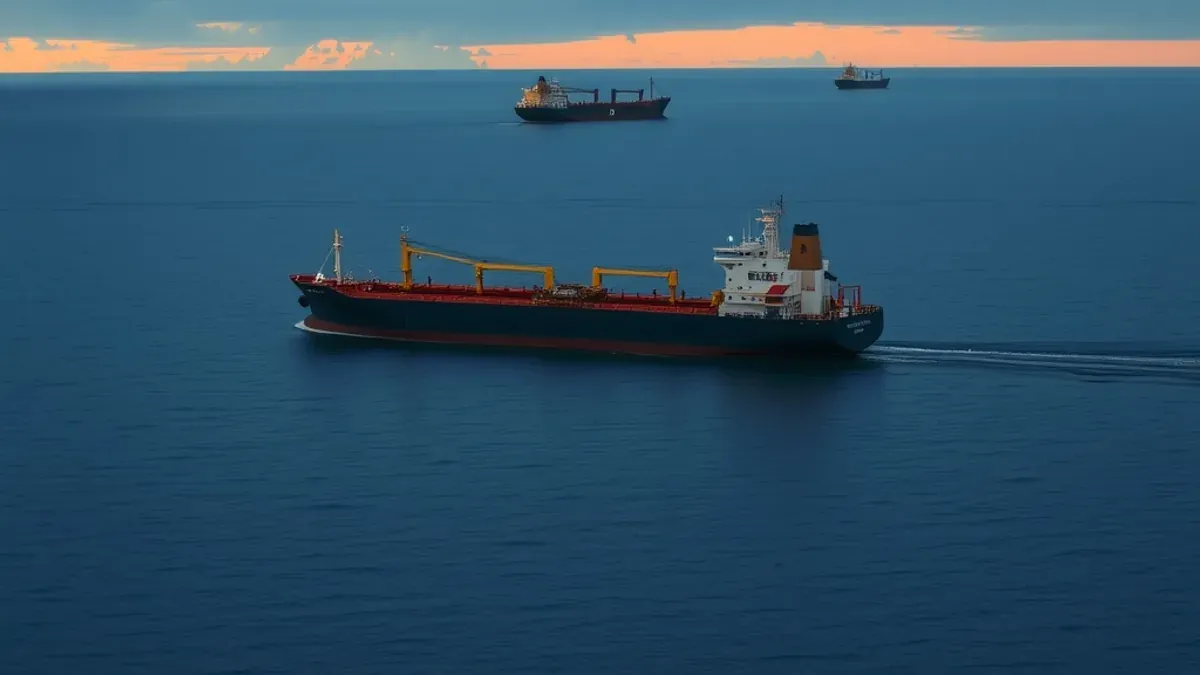
A weekly record
The value of Russia’s seaborne crude exports rose by about $430 million to $2.76 billion in the week ending 25 October. It is the highest weekly figure since Russia’s full-scale invasion of Ukraine began, Bloomberg reported, as relayed by Ukrinform, Ukrainska Pravda and Hromadske.
According to vessel-tracking data and industry reports compiled by Bloomberg, about 37 tankers loaded 26.93 million barrels of Russian crude that week. A week earlier, to 18 October, 21.87 million barrels were loaded onto 31 tankers.
What drove the rise
Lower prices for Russia’s Urals grade were more than offset by two factors: a sharp increase in shipment volumes and a rise in the price of the ESPO grade, recorded for the eighth week in a row.
As Hromadske notes, citing Bloomberg, the jump was partly due to a rebound in loadings at the Baltic port of Primorsk: 12 tankers departed last week, compared with four the week before. The port quickly resumed operations after an earlier shutdown.
The longer trend is less favourable for Moscow
The broader picture is different. Over the four weeks to 25 October, Russia’s seaborne crude exports averaged 3.55 million barrels per day — 30,000 barrels a day less than in the previous four-week period and the lowest level in five weeks.
Ukrainska Pravda adds context: Russia’s energy revenues have fallen by 17% this year, even though oil prices reached their highest level in more than a decade.
An important caveat: the $2.76 billion figure is an estimate of the gross value of shipments, calculated from export volumes and market prices, rather than confirmed revenue received by the Russian state, Hromadske stresses.
Who is buying
China and India remain by far the largest buyers of Russian crude. However, the final destination of individual cargoes often cannot be determined until tankers have travelled a substantial part of their route, so many recent shipments list only intermediate destinations. Ukrinform previously reported that India had not felt pressure from the United States to cut imports of Russian oil.
A pause in refinery strikes, and diesel
Bloomberg also points to a pause in Ukrainian strikes on Russian oil refineries, which has allowed Moscow to increase domestic crude processing. If the pause continues and damaged refineries resume operations, more oil could be diverted from exports to domestic processing.
According to Ukrainska Pravda, Russia also increased diesel production in October after the government granted producers export quotas, and began resuming diesel supplies to Türkiye and Brazil.
Why it matters for Ukraine
Oil revenue remains one of the main sources of funding for Russia’s war. The weekly records show that sanctions pressure on commodity exports, including on shadow-fleet tankers, has not yet stopped the flow of oil. At the same time, the weaker four-week trend and the fall in annual energy revenues suggest that restrictions and strikes on infrastructure are having an effect, if an uneven one.
Sources
This is an original short summary. All facts are as reported by the source below.

 More in: Economy